
The Secret of the Rogare Plot
Fire & BloodThis thread traces the accusation that the Rogares and Thaddeus Rowan plotted against Aegon III, and the uncertain evidence that leaves the truth unresolved.
increasing Bearing strength in each event
 decreasing
Bearing strength in each eventdecreasingThe Lysene Spring Provokes Fear

Suspicion Around Foreign Influence
Finance and Access
The Rogare family gains wealth, court access, and influence through Viserys’s marriage and banking.
Rumors Gather
Their foreign religion and customs become grounds for suspicion, even where no specific wrongdoing has been established.
Gaemon and Daenaera Are Poisoned
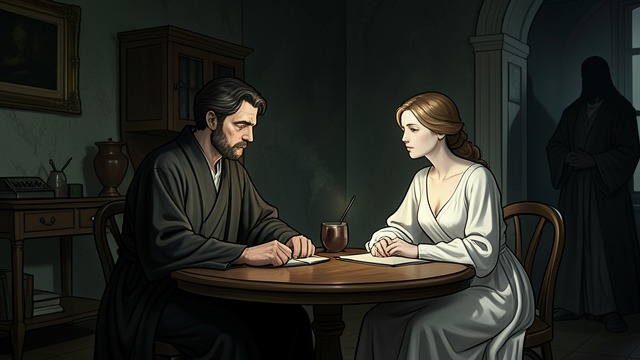
A Dinner Becomes Evidence
A Sudden Illness
Gaemon Palehair and Queen Daenaera fall ill after eating apple tarts. Gaemon dies, while Daenaera survives treatment.
No Clear Culprit
The food is poisoned, but the investigation produces contradictory confessions. The event gives rival courtiers an opening to accuse one another.
Rowan Is Seized
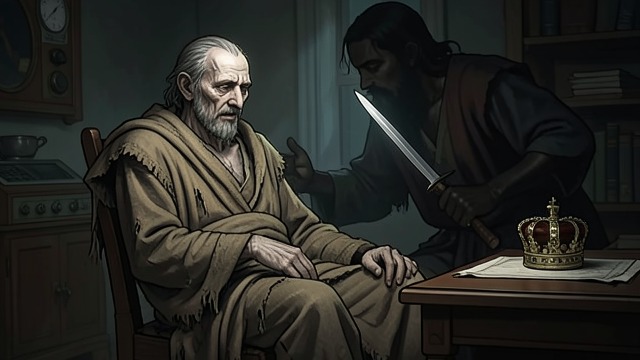
A Confession Is Forced
Allegations of Treason
Thaddeus Rowan is accused of conspiracy, bribery, and attempted poisoning. He is tortured and brought before the king.
Aegon Rejects the Story
Viserys exposes the confession as absurd and coerced. The incident reveals the danger of using torture to create political truth.
The Conspirators Are Named

A Faction Is Exposed
Graceford Gives Names
George Graceford identifies officials, knights, and servants said to be involved. The alleged group includes men associated with Unwin Peake.
Peake Is Not Proven
Despite suspicions and former ties, no witness provides proof that Peake ordered the plot. The uncertain evidence allows the political conflict to continue.
The Accusation Survives

A Mystery Left Open
Motives Remain Plausible
Peake’s ambition, past conspiracies, and network of allies invite suspicion. His absence from the siege and the confessions’ gaps prevent a firm conclusion.
History Cannot Prove the Mastermind
The plot’s failure is certain, but its sponsor is not. The episode shows how power can operate through agents without leaving decisive evidence.
134–135 AC, as the Rogare family rises
135 AC, during a royal supper
136 AC, during the secret siege
136 AC, after the siege ends
After 136 AC, during the lords’ assembly
